Why We Homeschool With the Biblical Calendar
 By Kristelle6 min read
How the biblical feasts became the anchor of our homeschool year — and gave our children a living framework for understanding Scripture that no textbook could.
Every homeschool family has its own shape. Some go year-round. Some do three days a week. Some pack it into focused mornings and leave the afternoons wide open for play. There is no single right way to do this — and that’s one of the most beautiful things about homeschooling.
But no matter what your schedule looks like, every family needs an anchor. Something that gives the year meaning beyond lesson plans and checkboxes. For us, that anchor turned out to be the biblical feasts.
How We Found Our Rhythm
When we first started homeschooling, we tried different approaches. We experimented with Montessori, we dabbled in eclectic methodolgy, but eventually we landed a Charlotte Mason approach — living books, narration, nature study, short lessons with plenty of time for free play — and we loved it. But the calendar felt disconnected from the things we cared about most.
The turning point came when we began celebrating the biblical feasts — not as random halmark holidays, but as a living calendar woven through the whole year. Passover (the celebration of God’s deliverance from Egypt) in the spring. Shavuot (the Feast of Weeks, when God gave the Torah at Mount Sinai) seven weeks later. The fall feasts — Yom Teruah (the Feast of Trumpets), Yom Kippur (the Day of Atonement), and Sukkot (the Feast of Tabernacles) — as the harvest season arrives. Hanukkah (the Festival of Lights) and Purim (the feast celebrating Queen Esther’s courage) woven in between.
Suddenly, our year had a theological spine. And our children had a story to live inside of.
What It Looks Like in Practice
We didn’t abandon our Charlotte Mason foundation. Math is still math. Reading is still reading. Living books are still the heart of everything. But the context shifts with the feasts, and that changes everything.
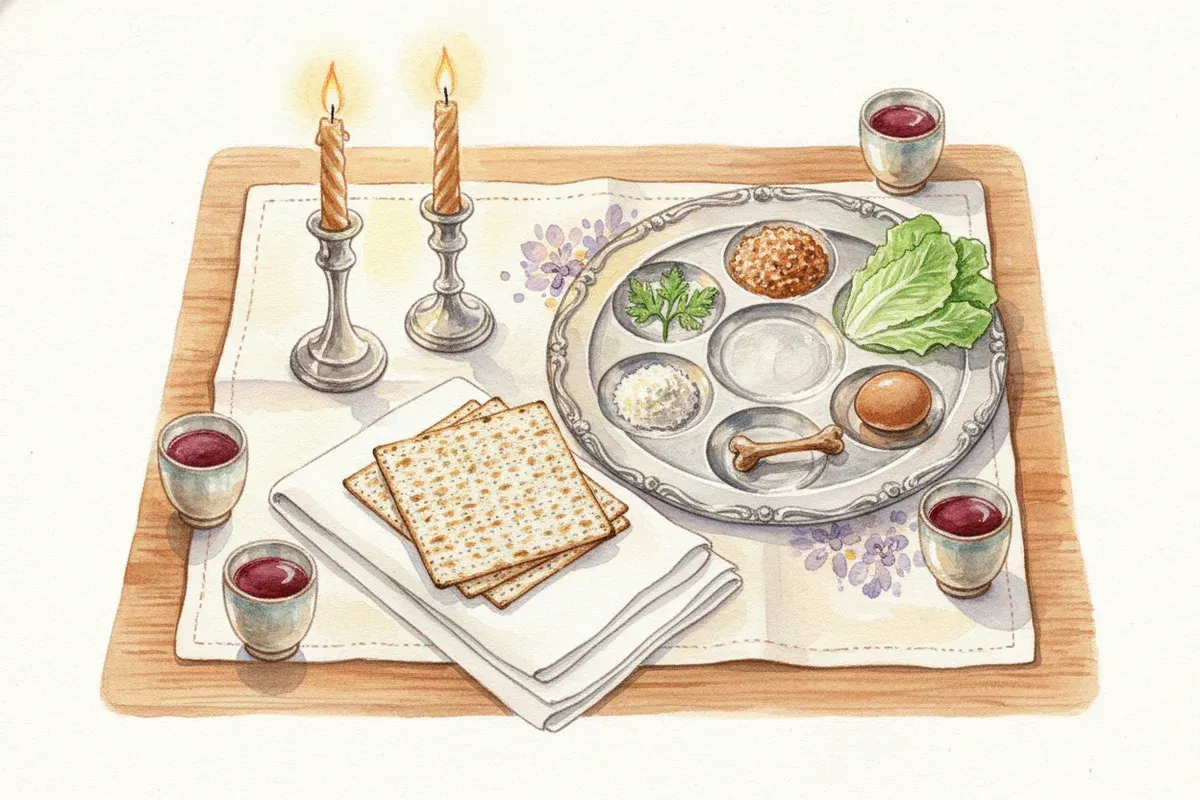
During the weeks leading up to Passover, we read Exodus together. Our art study becomes watercolor paintings of the crossing of the Red Sea. Copywork comes from the passage of scripture we're reading. The kids act out the Seder (the Passover meal) with their younger siblings, narrating each element with the kind of enthusiasm only a child can bring to a story about frogs and freedom.
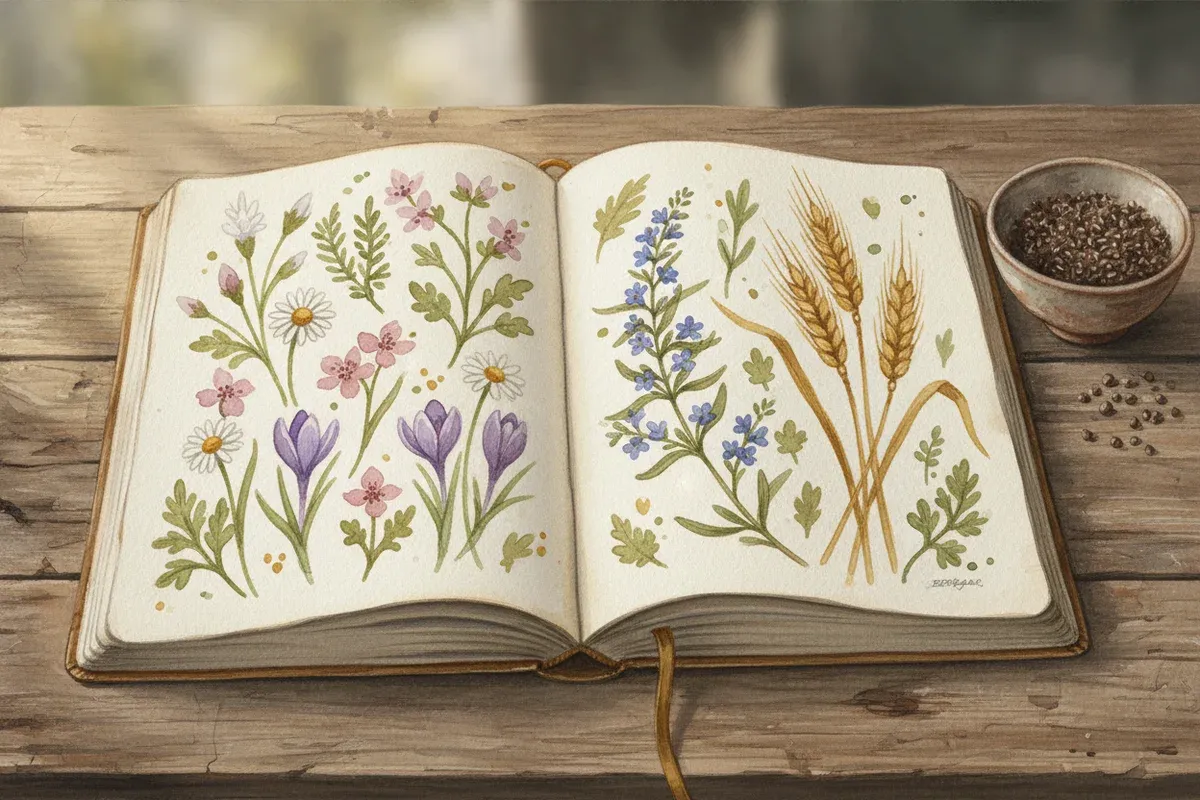
During Sukkot, we build a sukkah (a temporary shelter) in the backyard. The kids help decorate it with beautiful paintings. They research the and agricultural context by planting wheat berries in the garden. They sketch leaves and seedpods for their nature journals. We talk about what it means to dwell in temporary shelters while trusting God’s provision. And then we all eat lunch inside of the sukkah (our favorite part).
Whether your family schools five days a week or two, the biblical feasts fit. They’re not extra curriculum to pile on top of what you’re already doing. They become the curriculum for a week or two each season — a natural pause in the routine where everything converges around one story, one celebration, one table.
The Fruit We’ve Seen
Our children don’t just know the stories of Scripture. They live inside them, year after year, each feast building on the last. Our five-year-old lights up when she tells you why we eat matzah (unleavened bread) at Passover. Our ten-year-old can explain the connection between Shavuot and the giving of the Torah at Sinai — and then teach it to his younger siblings in his own words.
More than knowledge, they carry a sense of belonging — to a story that’s been unfolding for thousands of years &emdash; one that they are grafted into.
Start Where You Are
You don’t have to overhaul your entire curriculum. You don’t need to change your schedule. Whether you homeschool year-round or take summers off, whether you follow Charlotte Mason or something else entirely — the feasts meet you where you are.
Start with one. Purim is a wonderful entry point because it’s joyful, dramatic, and full of the kind of hands-on, play-based learning that children naturally gravitate toward. Our Purim Activity Book was designed as exactly this kind of on-ramp — coloring pages, paper crafts, and scripture activities that make the story of Esther something your child can hold in their hands.
From there, let the calendar lead you. The feasts have their own momentum. Once you begin celebrating them, they become the rhythm your family didn’t know it was missing.