 Biblical Feasts
5 min read
Why We Tell the Passover Story Every Year
The Passover story isn't repetition for repetition's sake—it's a yearly reminder of God's faithfulness that deepens with every retelling around your family table.
Read More →
Biblical Feasts · Pesach
Hand-crafted Messianic Passover printables, coloring pages, seder crafts, copywork, and Scripture activities — designed to help your family walk through the Exodus story together with wonder and intentionality.
Free for Your Family
Sign up for our newsletter and we’ll send a free printable you can use this week — plus occasional notes from our family as we walk through the biblical calendar with our own children.
Passover (Pesach in Hebrew) is the springtime biblical feast that remembers how God delivered the Children of Israel from slavery in Egypt. It is the first of the biblical feasts commanded in Leviticus 23, kept on the 14th of the Hebrew month of Nisan, and it has been celebrated by Jewish families for more than three thousand years.
The story is told in Exodus 12. After 400 years of slavery, God heard the cries of His people. He raised up Moses, sent ten plagues upon Egypt, and on the night of the final plague, He commanded the Israelites to take a spotless lamb, mark their doorposts with its blood, and eat the meal in haste. The angel of death “passed over” the homes covered by the blood of the lamb — and that morning, Israel walked out of Egypt a free people of God.
For Messianic families, Passover is also the picture of Yeshua (Jesus), our Passover Lamb. He kept the feast with His disciples on the night He was betrayed, He died on the day the lambs were slaughtered, and He rose again on the Feast of Firstfruits. The whole week of Passover, from beginning to end, tells the story of God’s miraculous and faithful redemption.
God Himself commanded that this story be told to children, year after year: “And when your children say to you, ‘What do you mean by this service?’ you shall say, ‘It is the sacrifice of the Lord’s Passover.’” (Exodus 12:26–27).
Passover is not a once-and-done event. It is a yearly rhythm of remembrance—a feast designed for children to ask questions and for parents to answer them. The Passover Seder itself is built around the voice of a child.
For our family, Passover is one of the high points of the biblical calendar. We slow down. We make charoset together. We tell the story again. Our children ask the four questions. And we point our them, gently, to the Lamb who took our place.
You don’t need to be a scholar to teach your children Passover. You need a story, a meal, and a willingness to begin. Here is the rhythm we’ve found most fruitful with our own five children — rooted in Charlotte Mason’s love of living books, narration, and short focused lessons.
Start with Exodus 1–15 in a children’s Bible or read directly from Scripture in short, daily portions. Don’t rush. Let the story do its work. Ask your children to narrate back what they heard — you’ll be amazed at what they remember.
Children learn through their hands. A seder plate paper craft or a set of Passover coloring pages turns the story into something they can touch, hold, and remember.
The ten plagues are vivid by design. Children love them — the frogs, the locusts, the darkness. Acting them out with printable plague headbands makes the story unforgettable. (And yes, our kids beg for the frog headband every year.)
For older children, Scripture copywork from Exodus is a quiet, Charlotte Mason–style way to spend meaningful time in the text. Slow handwriting, careful attention, the words of Moses under their pen.
A seder doesn’t have to be elaborate. Set a table. Place the symbolic foods. Read the same story that Jewish people all over the world are telling. Sing some songs. Let the youngest child ask the questions. Our seders are not Instagram photos — there are crumbs — but they are the most memorable nights of our year.
If this is your first time, our guide to your first Passover seder with little ones walks you through it, gently.
Printable Passover Resources
Every printable is hand-illustrated by our family for yours. Print at home, print at your congregation, use it for years.
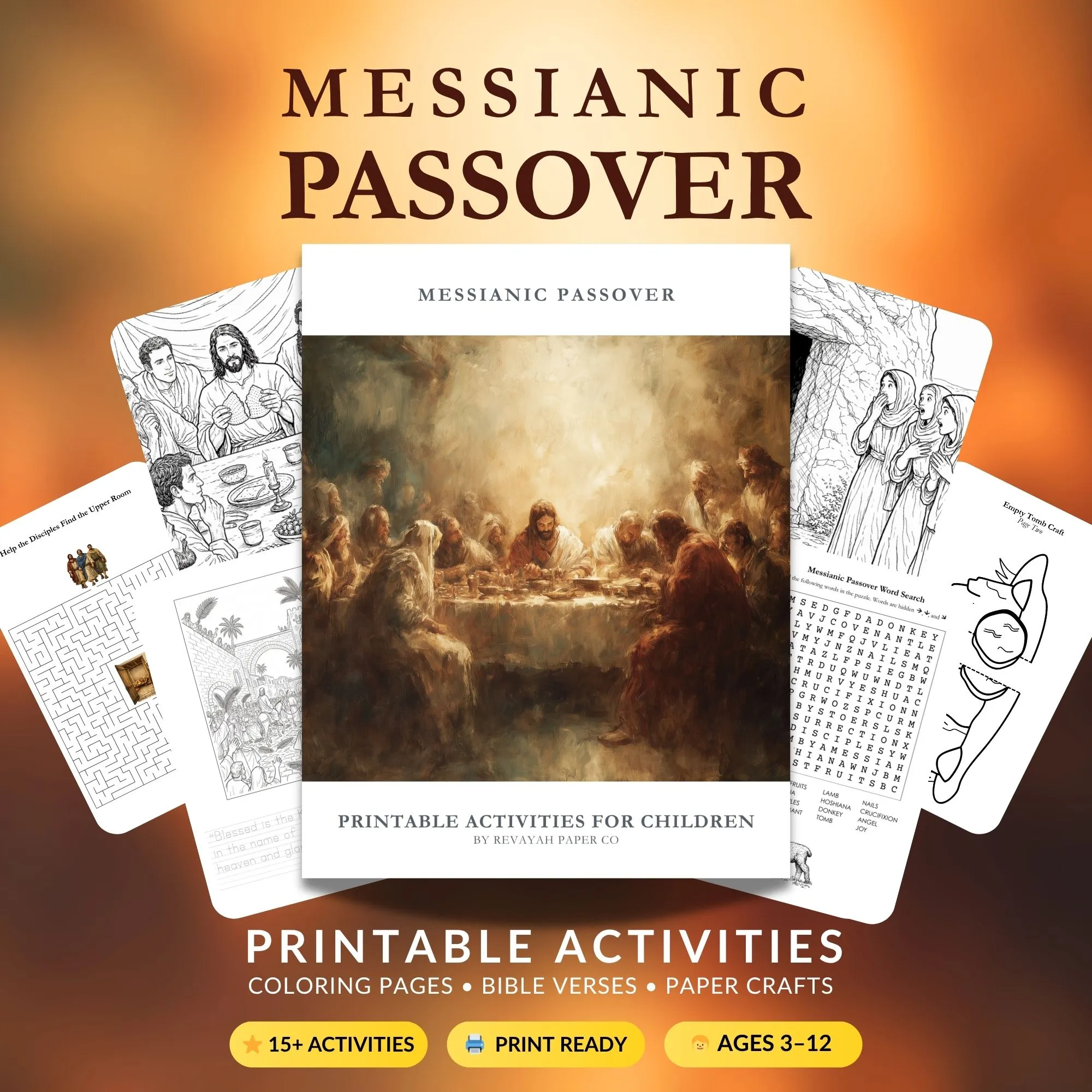 Passover
Help your children walk through the most powerful week in history—from Yeshua's last Passover seder to His sacrificial death to the Resurrection, when He became the firstfruits of the new covenant.
$7.99
View Details →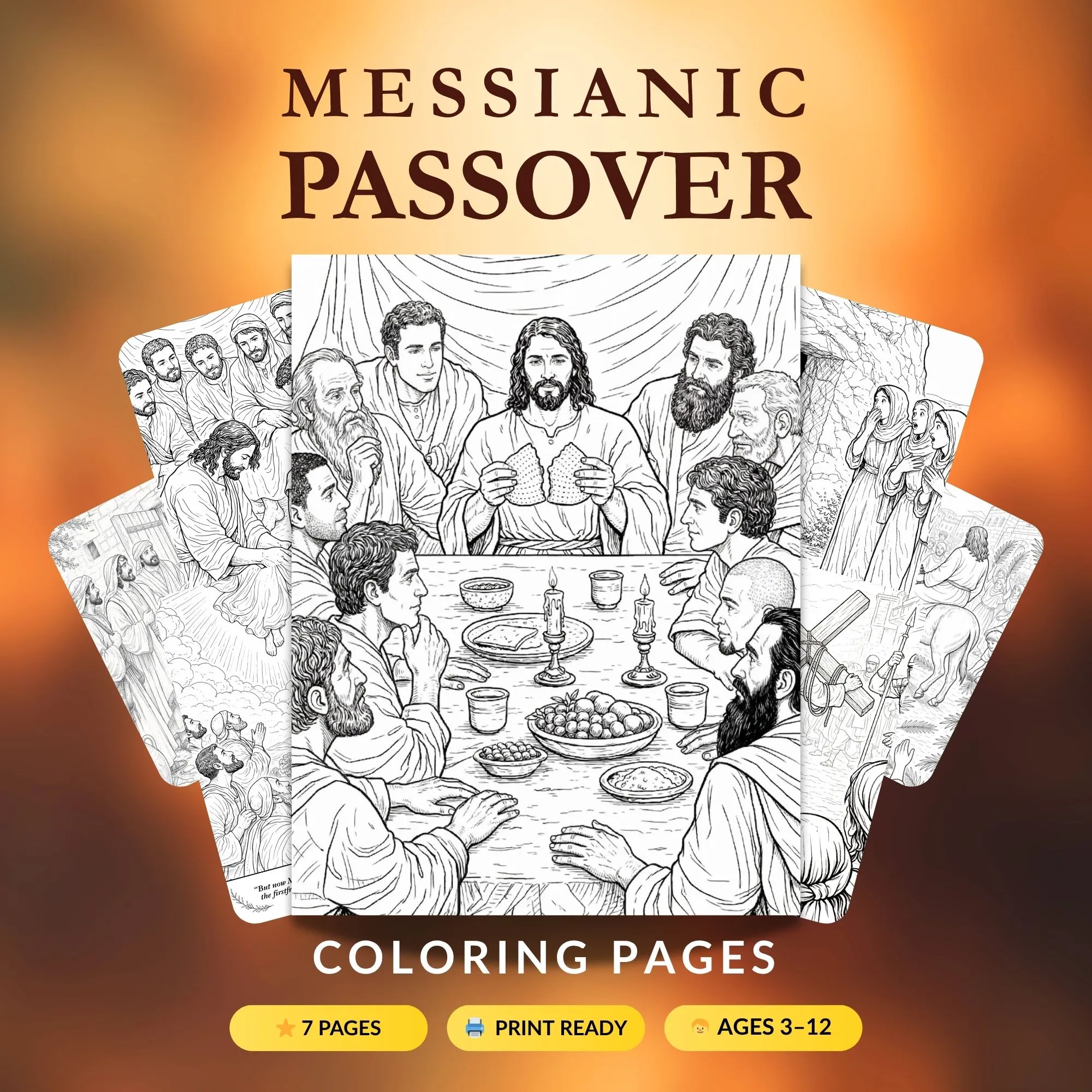 Passover
Help your children color their way through the most powerful week in history — from Yeshua's triumphal entry into Jerusalem to His ascension into heaven. 7 beautifully illustrated coloring pages connecting God's appointed times to the Messiah who fulfilled them. Ages 4–12.
$3.99
View Details →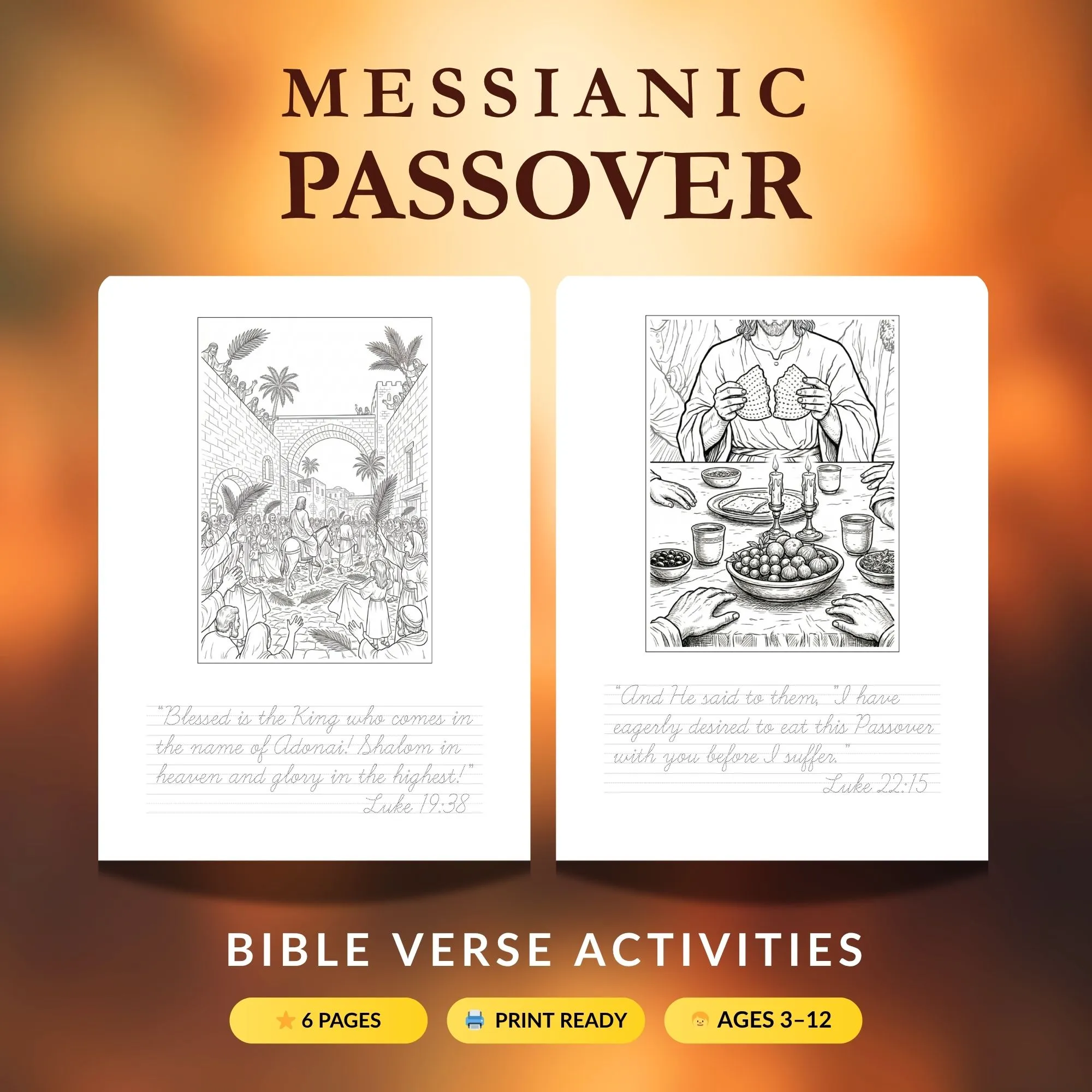 Passover
Help your children hide God's Word in their hearts as they trace through 6 scripture passages from the Gospels — each one connecting Yeshua to the biblical feasts of Passover and Firstfruits. Ages 4–8.
$2.99
View Details →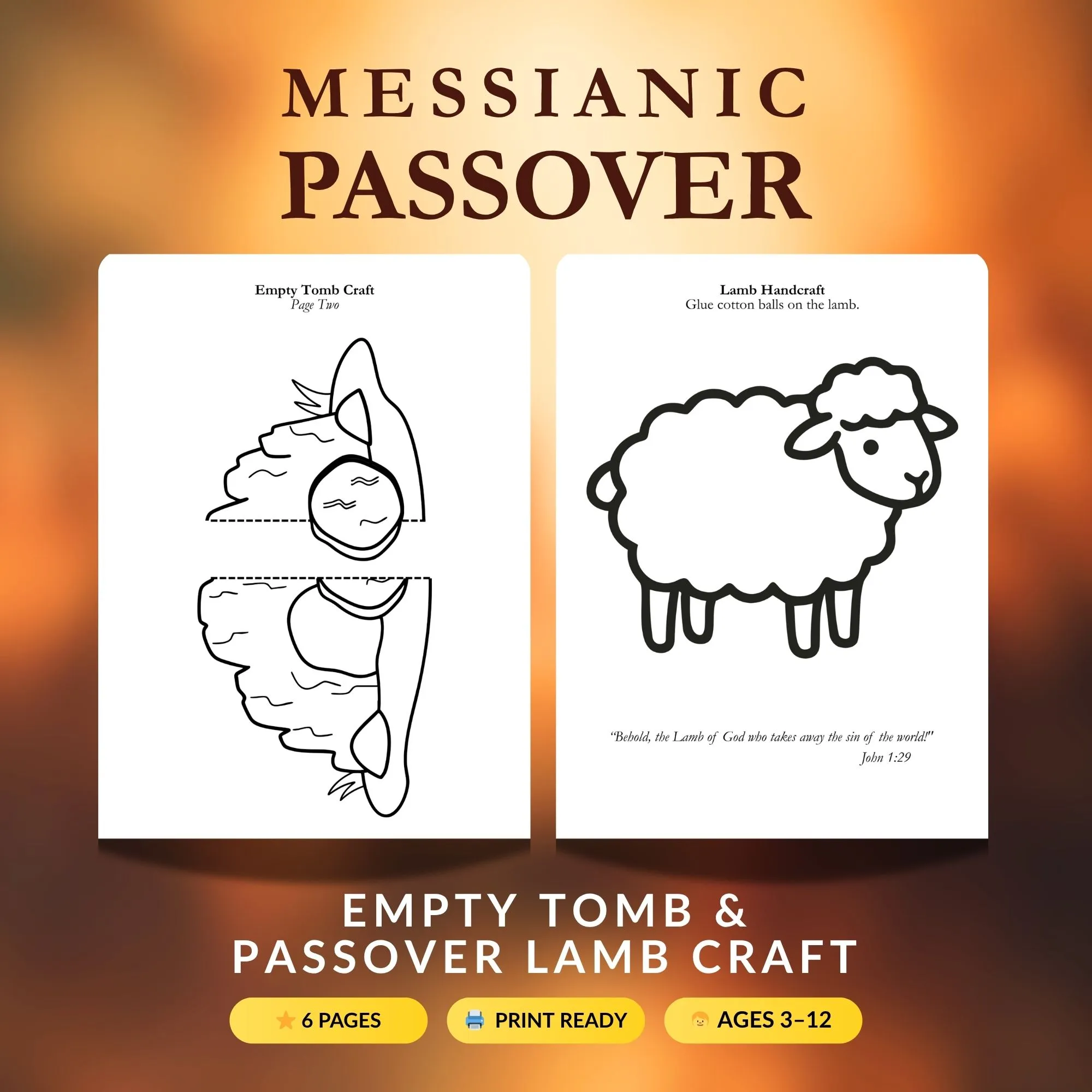 Passover
Two hands-on paper crafts that help your children experience the heart of the Messianic Passover story — Yeshua as the Passover Lamb and His resurrection as the firstfruits among the dead. Ages 4–12.
$1.99
View Details →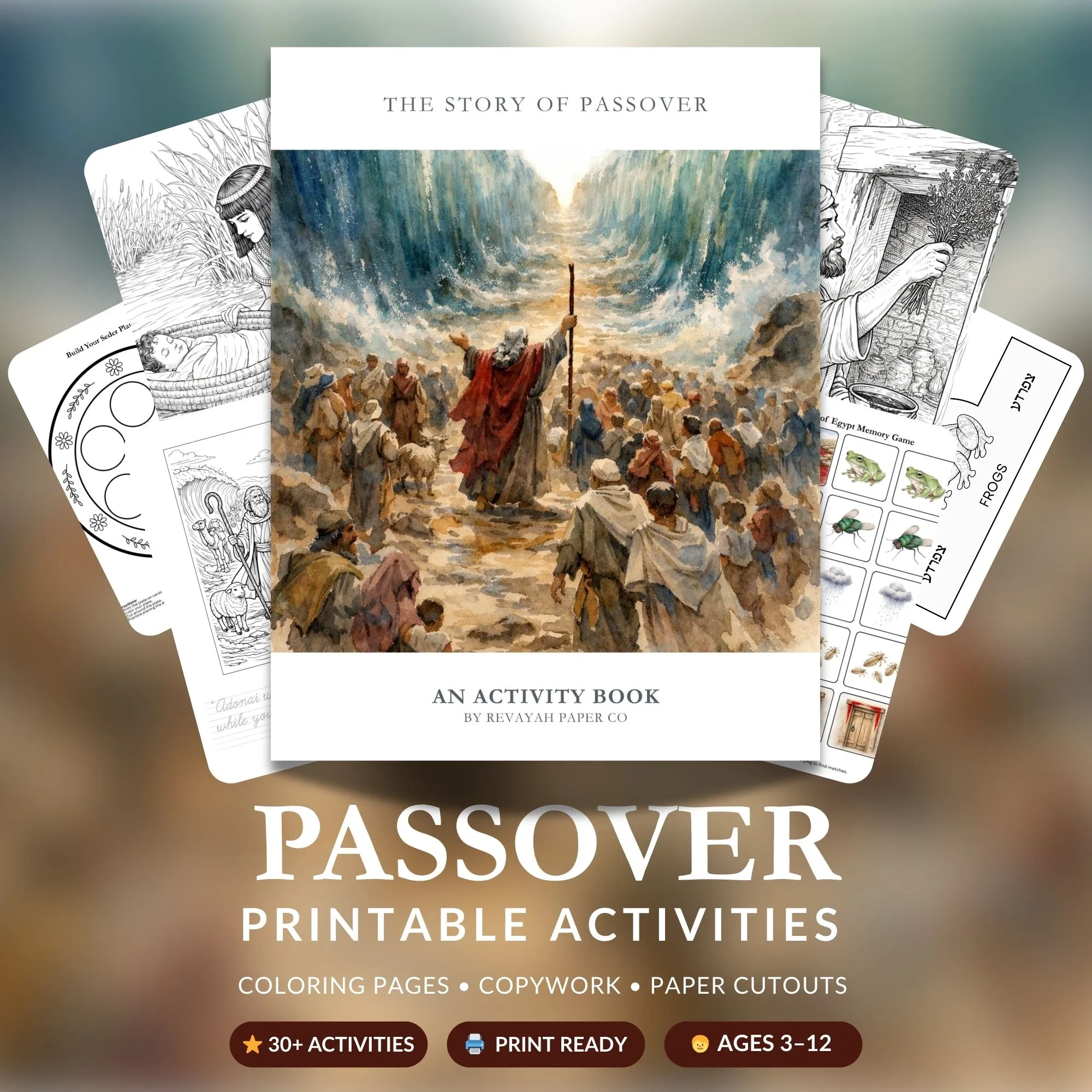 Passover
Tell the story of Passover and God's deliverance of the Children of Israel with 30+ pages of hands-on activities — coloring pages, scripture copy-work from Exodus, mazes, word searches, a seder plate cutout craft, matching games, and plague headbands for all 10 plagues. Perfect for ages 4-12.
$12.99
View Details →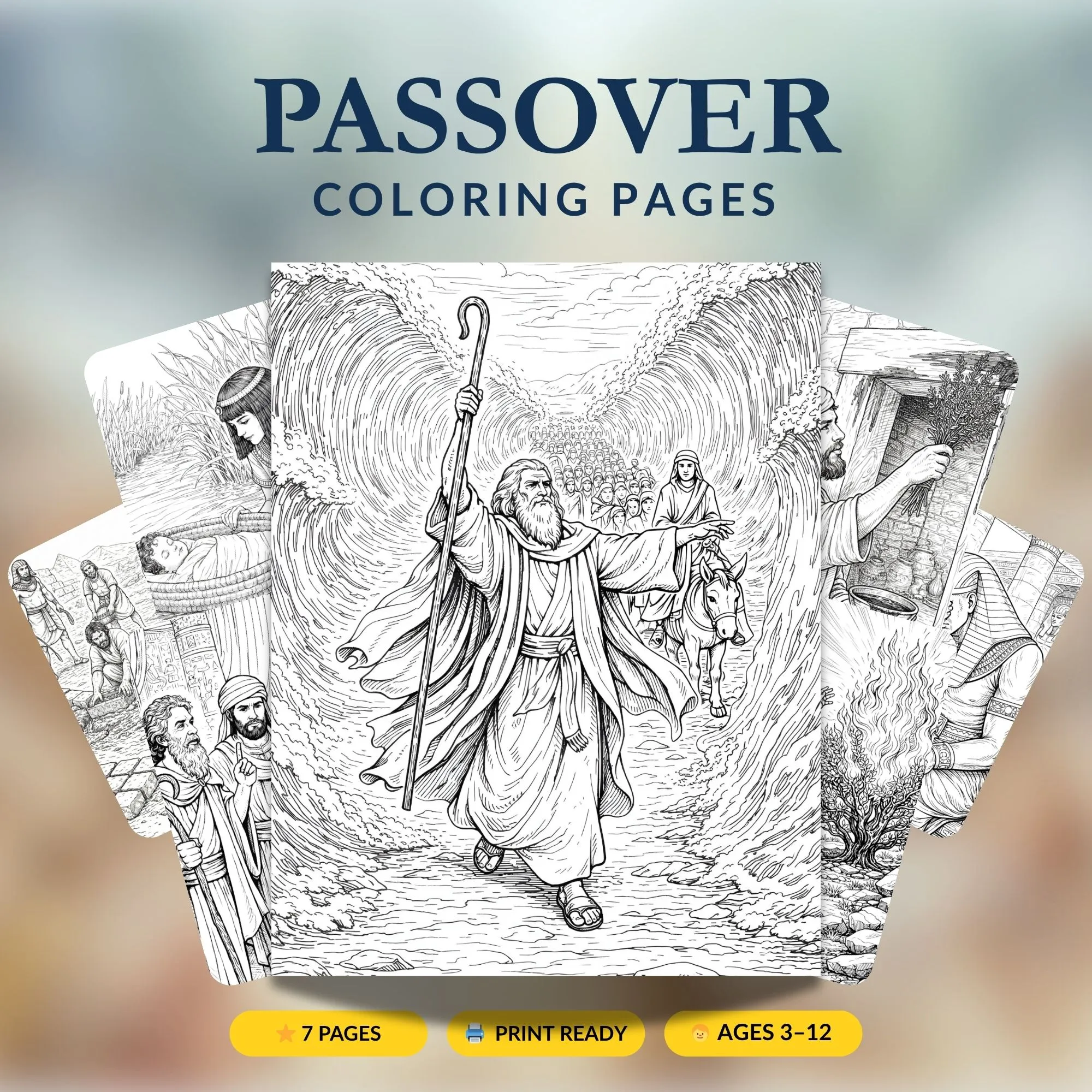 Passover
7 beautifully illustrated printable coloring pages featuring key scenes from the book of Exodus — the plagues, the parting of the Red Sea, and other defining moments of the Passover narrative. Ages 4-12.
$2.99
View Details →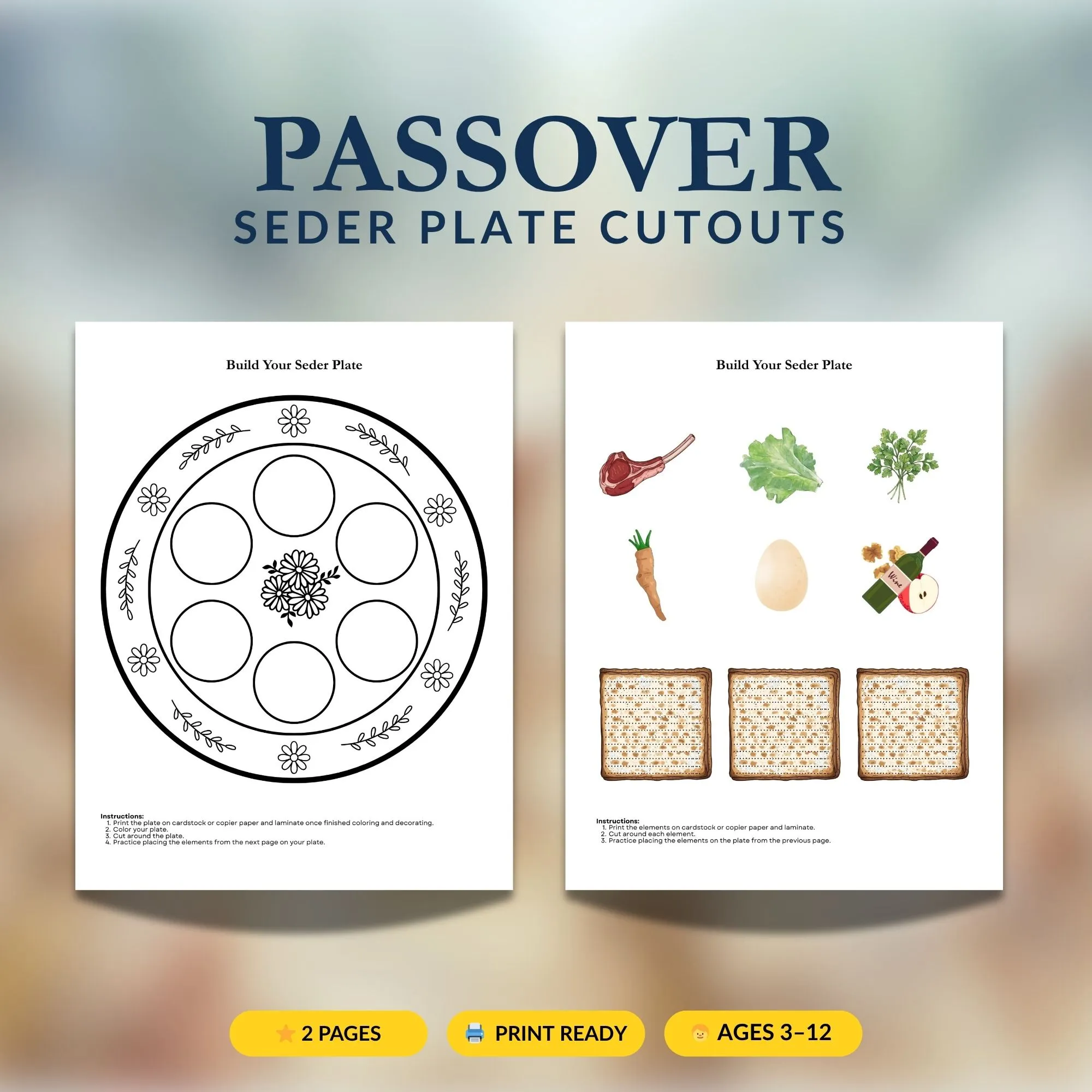 Passover
A hands-on cut and paste craft where children color, cut out, and assemble their own seder plate — a tactile way to learn the elements of the Passover meal. 2 printable pages, ages 4-12.
$1.99
View Details →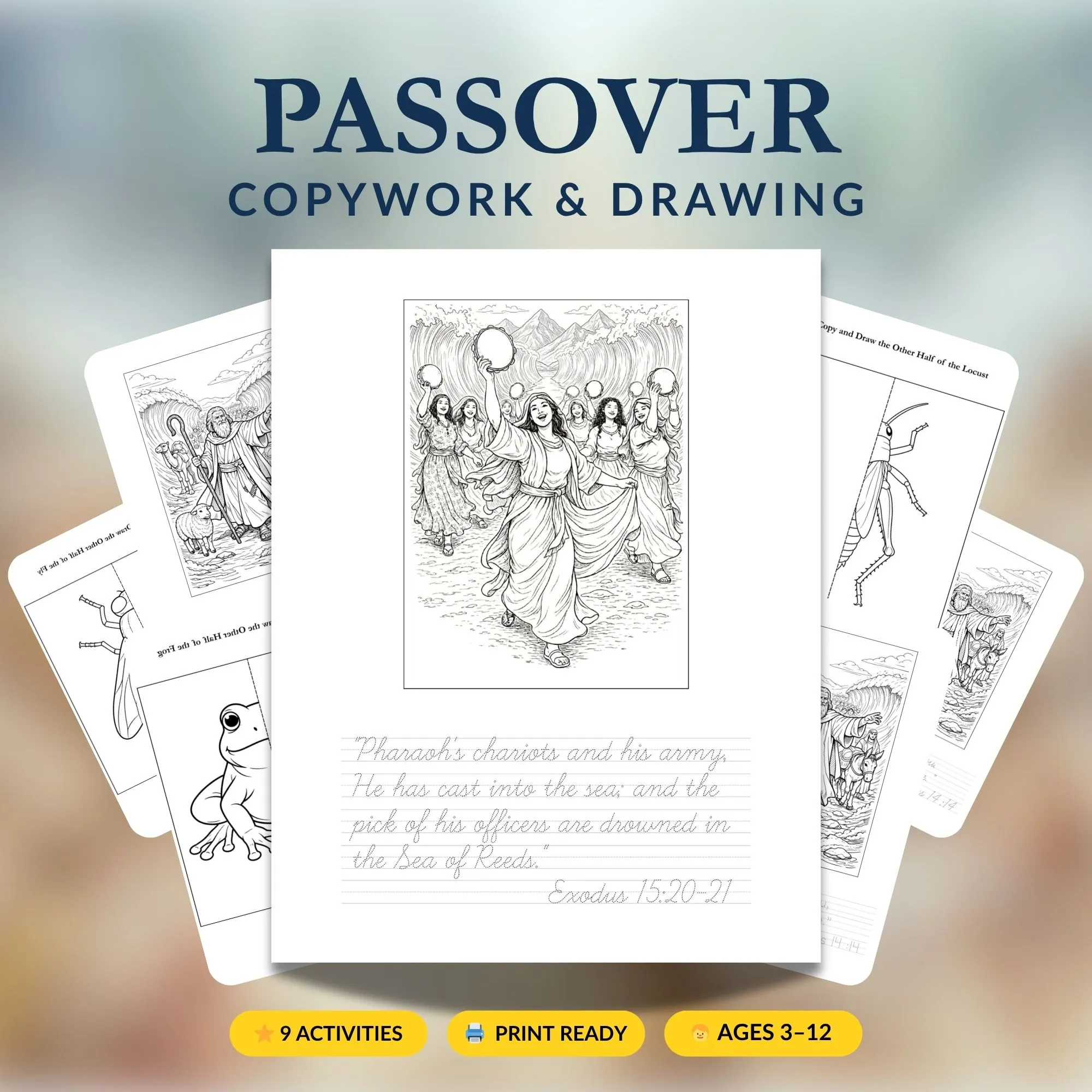 Passover
6 scripture copywork pages from the book of Exodus paired with 3 mirror-image drawing activities — a Charlotte Mason-style way for children to spend meaningful time in the Passover story. 9 pages, ages 4-12.
$2.99
View Details →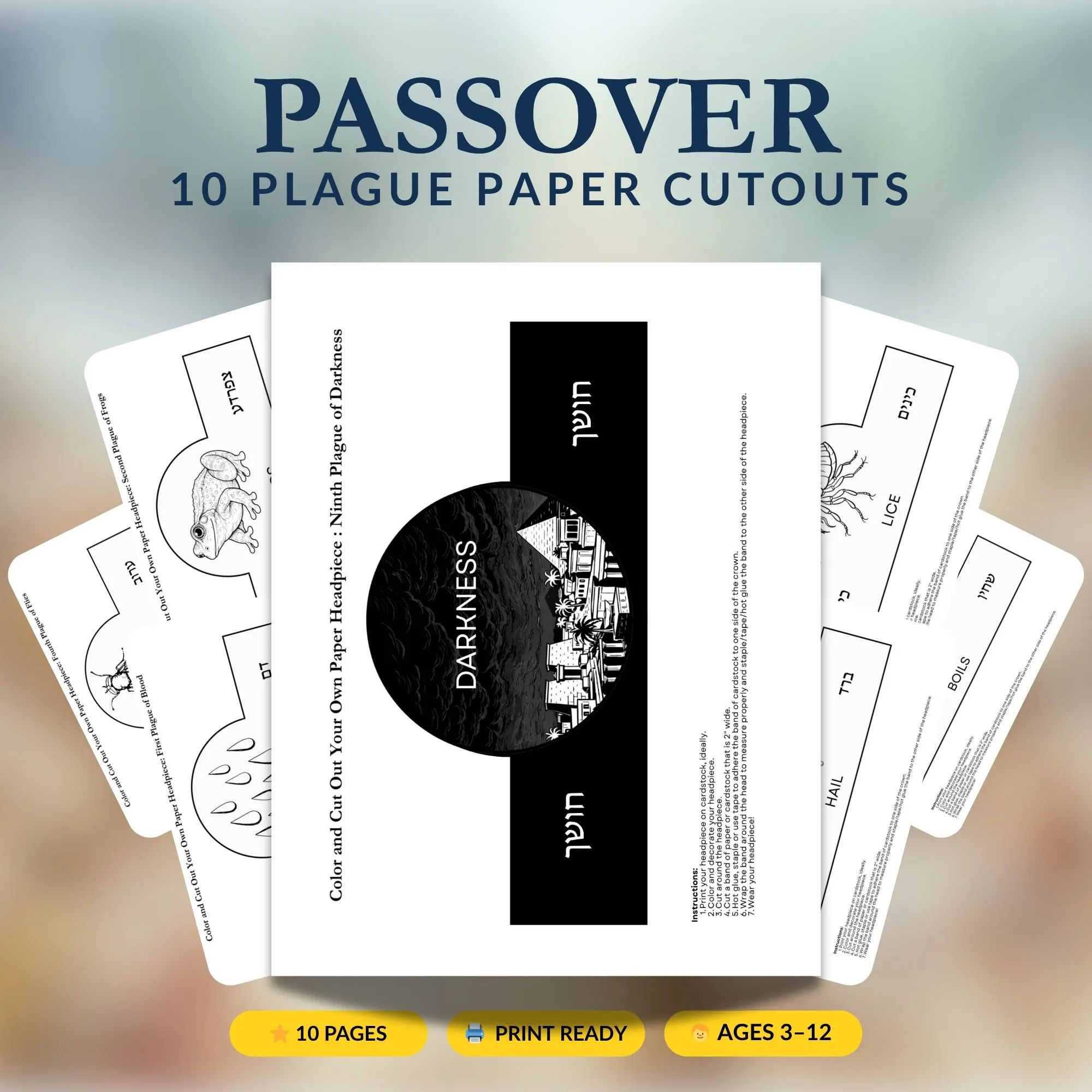 Passover
Children draw, color, and wear a headband for each of the 10 plagues of Egypt — turning the Exodus story into something they don't just hear, but act out together. 10 printable pages, ages 4-12.
$3.99
View Details →For families who want to teach Passover with the fullness of the Messianic story that includes Yeshua’s last Passover seder to the empty tomb, we’ve created a dedicated set of resources that walk children through Passover week from a Messianic perspective.
Inside Passover Week
Passover is not a single day — it opens an entire week. Inside that week is the Feast of Unleavened Bread (Hag HaMatzot) and the Feast of Firstfruits (Yom HaBikkurim), when Israel brought the first sheaf of the spring barley harvest to the priest as a wave offering before the Lord.
On that very day, the third day of Passover week, Yeshua rose from the dead — the firstfruits of those who have fallen asleep (1 Corinthians 15:20). The timing is not a coincidence. It is a portrait painted across the biblical calendar.
Read more in The Feast of Firstfruits and the Resurrection.
Keep it sensory and short. A board-book Bible, a coloring page, a song about Moses, and a taste of charoset on Passover night. Repetition is the curriculum at this age.
Bring on the crafts and narration. Plague headbands, the seder plate craft, simple Scripture copywork, and acting out the story turn the Exodus into something they live, not just hear.
Older children can read the text directly, work through copywork and mirror drawing, lead portions of the seder, and begin to see how Passover points to Yeshua. Give them real responsibility.
A short list to read through with your family during Passover week. Read one passage a day, narrate, and let the story build.
From the Journal
Biblical FeastsThe Passover story isn't repetition for repetition's sake—it's a yearly reminder of God's faithfulness that deepens with every retelling around your family table.
Read More →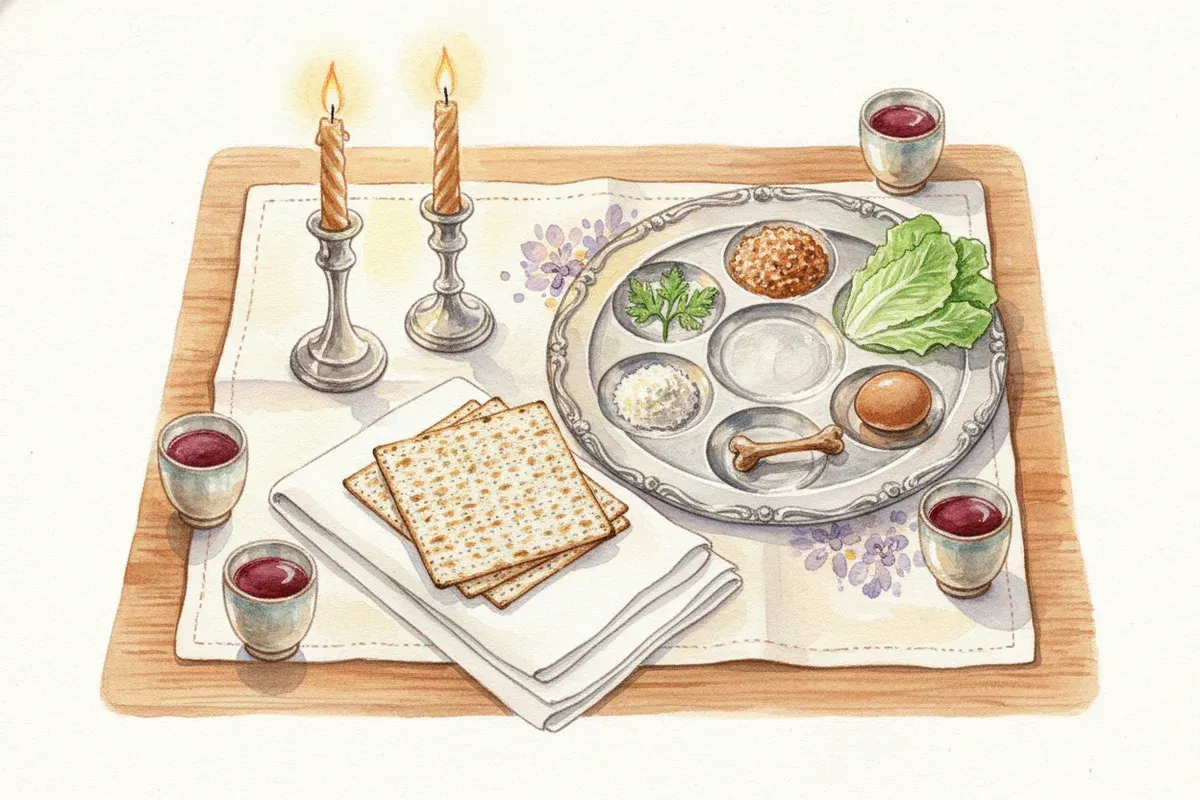 Biblical Feasts
A practical, step-by-step guide to hosting a kid-friendly Passover seder at home — what to simplify, what to keep, and how to make it meaningful for the whole family.
Read More →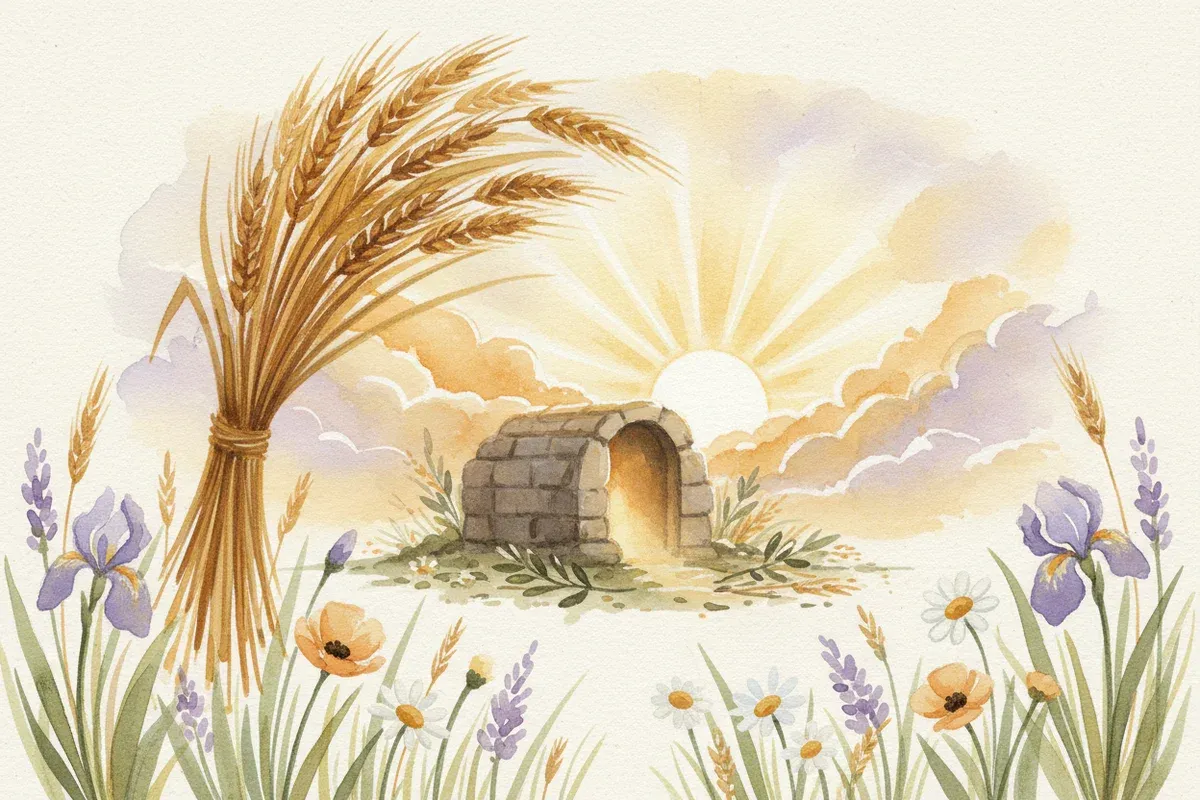 Biblical Feasts
Yom HaBikkurim—the Feast of Firstfruits—is the biblical feast that points directly to the resurrection of Yeshua, and most families have never heard of it.
Read More →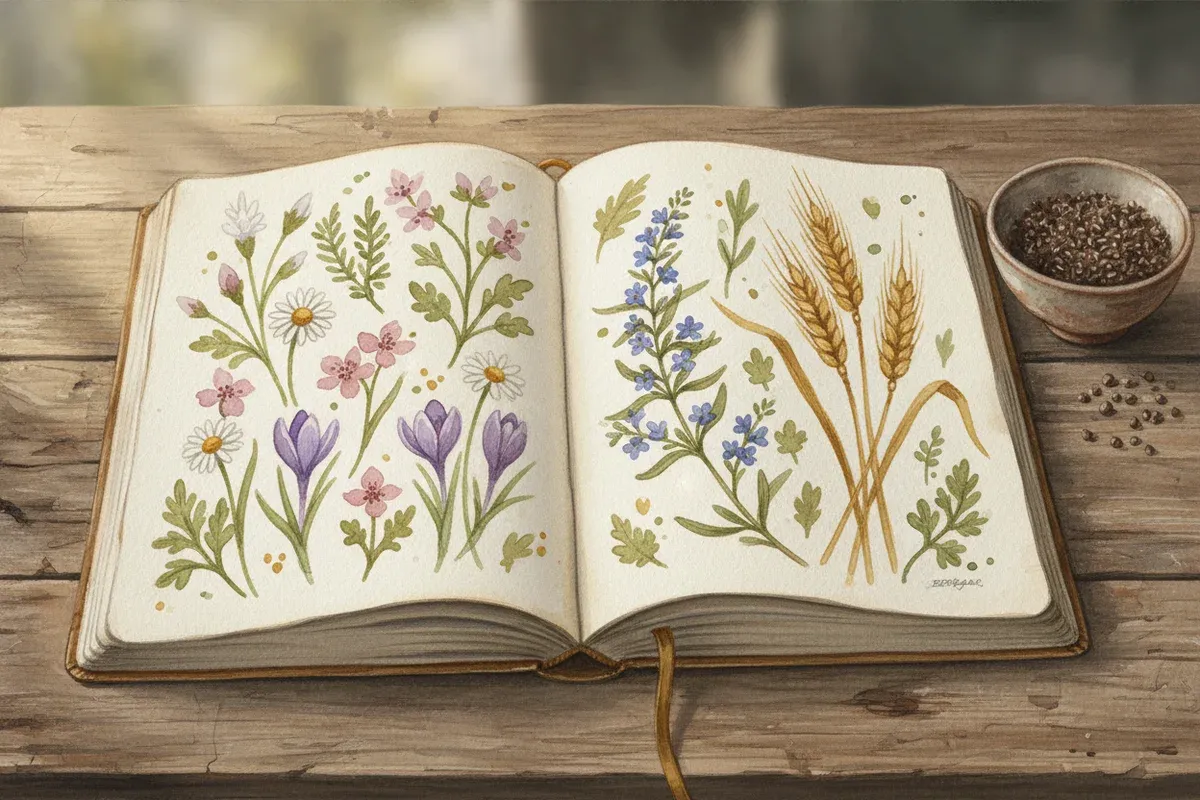 Homeschool
Connect spring nature study to the Passover story with a Charlotte Mason approach—growing bitter herbs, observing barley, and journaling from garden to seder table.
Read More →Passover is the first of the three pilgrimage feasts. It is followed seven weeks later by Shavuot (the Feast of Weeks, when God gave the Torah at Mount Sinai and later poured out His Spirit on the disciples in Acts 2). Together with Sukkot (the Feast of Tabernacles), these three feasts form the spine of God’s appointed times.
Explore our full library of Biblical Feasts for Kids to see how the whole calendar tells one continuous story.
Passover (Pesach in Hebrew) is the springtime biblical feast that remembers how God delivered the Children of Israel from slavery in Egypt. For children, it is the story of God hearing the cries of His people, sending Moses, and rescuing them from Egypt with His mighty hand. It is told as a story around a table with food, songs, and questions designed for the even littlest ones in the family.
Messianic Jewish families gather for a seder (the ordered Passover meal), retell the Exodus story, and connect the elements—the lamb, the unleavened bread, the cup of redemption—to Yeshua (Jesus), who willinging gave His life as our Passover Lamb. The traditional Jewish seder shape is preserved, and the Messianic fulfillment is woven through it.
Keep it short, sensory, and story-based. Read the Exodus story from a children's Bible. Color a Passover scene together. Let little hands cut and paste a seder plate. Sing a simple song. Preschoolers learn through repetition and through their hands — so the same story, told gently each year, builds deep roots.
Hands-on activities are the surest way in. Plague headbands, seder plate crafts, scripture copywork from Exodus, coloring pages of the parting of the Sea of Reeds, and matching games each give children a different doorway into the same story. Different ages need different doorways.
A seder plate is a special plate that holds the symbolic foods of the Passover meal: the shank bone, a roasted egg, bitter herbs (maror), a sweet paste called charoset, a green vegetable (karpas), and sometimes lettuce. Each element retells a piece of the Exodus story. Walking children through the plate is one of the simplest ways to teach the meaning of Passover.
Yeshua is called the Lamb of God who takes away the sin of the world (John 1:29). He celebrated Passover with His disciples on the night He was betrayed, He died as the Passover lambs were being slaughtered, and He rose again on the Feast of Firstfruits. The whole feast is a portrait of His sacrifice and resurrection.
Passover is the biblical feast commanded in Exodus 12 and Leviticus 23 as part of God's covenant with Israel. It is kept on the 14th of the Hebrew month of Nisan by Jewish families all over the world. The events Christians remember at Easter—the death and resurrection of Yeshua—happened during Passover week. Unfortunately, due to rising anti-semitism in the third and fourth century, many church leaders intentionally changed the timing of Easter so that it would not coincide with the Jewish holiday of Passover. However, many Messianic Jewish families keep Passover and the Feast of Unleavened Bread instead of (or alongside) Easter, because that is the calendar God Himself appointed.
Free Passover Printable
Subscribe and we'll send you a hand-illustrated Passover printable to use this year — perfect for the seder table or the homeschool morning leading up to it.
Send me the free Passover printable
You'll also receive occasional notes from our family on living the biblical calendar with little ones. We never sell or share your information. Unsubscribe anytime.