
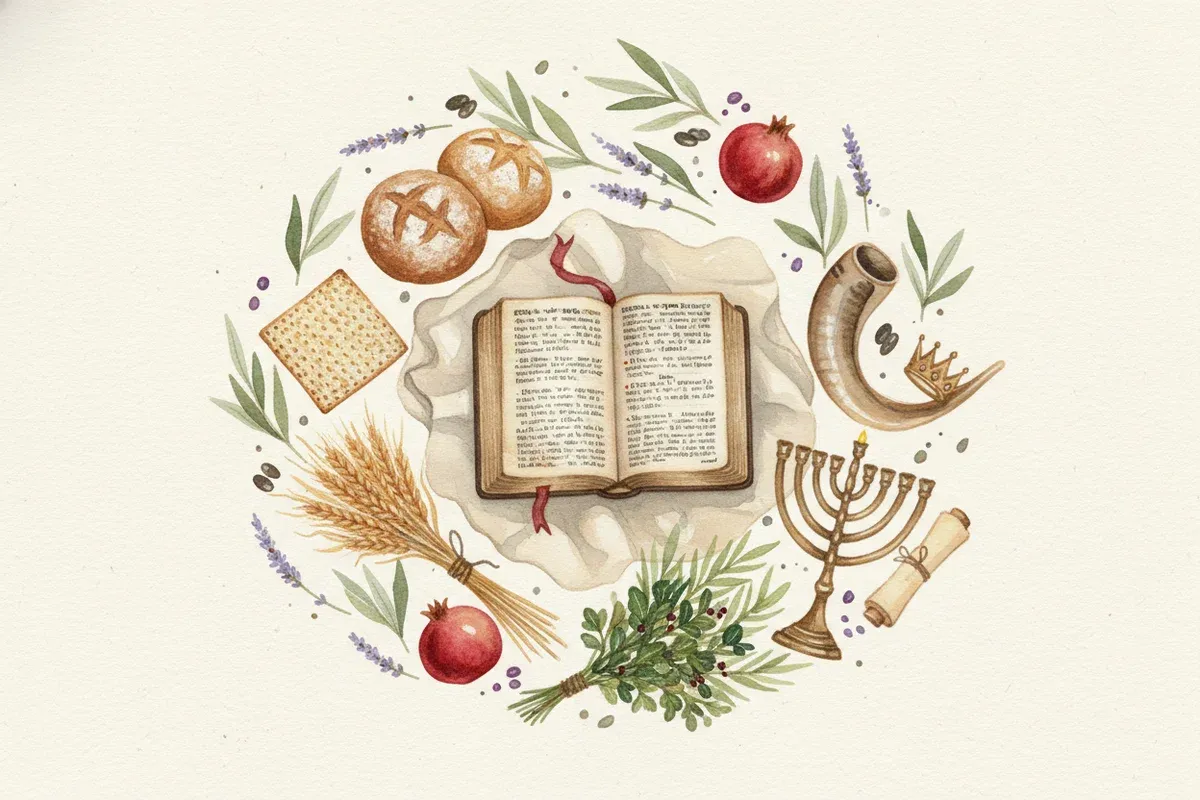
The Appointed Times · Moedim
Biblical Feasts for Kids
Beautifully illustrated Messianic Jewish printables, homeschool resources, and Scripture activities for the holidays God Himself appointed in His Word—designed to help your children love the rhythm of the biblical calendar and the Jewish people.
What Are the Biblical Feasts?
The Biblical Feasts are also the appointed times God Himself commanded Israel to observe in Leviticus 23. He calls them moedim in Hebrew — “appointed times” or “set apart days” to meet with the Creator. Today, the Biblical Feasts are primarily known as Jewish Holidays. Jews all over the world have been keeping and celebrating these God-given holidays for thousands of years. They are the rhythm by which the Jewish people remember God’s mighty acts, enjoy His presence, and look ahead to what He will do in the future.
The seven feasts of Leviticus 23 are Shabbat (the weekly Sabbath), Passover and Unleavened Bread, Firstfruits, Shavuot (the Feast of Weeks), Yom Teruah (the Feast of Trumpets), commonly celebrated as Rosh Hashanah, Yom Kippur (the Day of Atonement), and Sukkot (the Feast of Tabernacles). Two later feasts — Hanukkah and Purim — were added through the events recorded in the historical books of Scripture and are still kept by Jewish people today.
For Messianic families, every feast also points to Yeshua. Passover, the Lamb. Firstfruits, the resurrection. Shavuot, the Spirit poured out. Yom Teruah, the King’s return. Sukkot, God dwelling with His people forever. Teaching the feasts to children is teaching them to recognize Yeshua woven through every page of Scripture.
Why Teach the Biblical Calendar to Children?
Children learn through rhythm. They learn through their hands. They learn through the food on the table and the songs at bedtime. The biblical calendar is exactly that—a yearly rhythm built for children, designed by God to be sensory, hands-on, and impossible to forget as you cultivate it, year after year.
And you shall tell your son on that day... (Exodus 13:8). The feasts are not just for adults. They are commanded with children in view. The Passover seder is built around the youngest child’s questions. The shofar is meant to wake the household. The sukkah is a hut a child can sit in.
For homeschooling families, the biblical calendar also gives a beautiful framework: each feast a unit study, each season a chapter of the year, each celebration a chance to weave Bible, history, food, art, and family together.
The Biblical Feasts and Jewish Holidays for Kids
The full rhythm of the biblical year. We’re building each feast into a complete library of printables, crafts, and Scripture resources—one feast at a time.
Spring Feasts
The feasts of redemption, new life, and the giving of the Torah.
Passover
Pesach
God's deliverance of the Jewish people from slavery in Egypt. The first feast of the biblical year and the foundational story of redemption.
Explore Passover →
Firstfruits
Coming SoonYom HaBikkurim
The waving of the first sheaf of the spring barley harvest—and the day Yeshua rose from the dead. Currently covered inside the Passover hub.
Shavuot
Feast of Weeks
Fifty days after Firstfruits—commemorating the giving of the Torah at Mount Sinai and the outpouring of the Spirit at Pentecost.
Explore Shavuot →
Fall Feasts
The feasts of return, atonement, and dwelling with God.
Rosh Hashanah
Yom Teruah · Feast of Trumpets
The biblical day of blasting and the spiritual new year. The blowing of the shofar calls the people to wake up, practice repentance, and return to the King.
Explore Rosh Hashanah →
Yom Kippur
Day of Atonement
The most solemn day of the biblical calendar. A day of fasting, repentance, and covering of sin as we seek forgiveness and wipe our conscience clean.
Explore Yom Kippur →
Sukkot
Feast of Tabernacles
A week of dwelling in temporary shelters, remembering Israel in the wilderness—and looking ahead to God dwelling with His people forever.
Explore Sukkot →
Other Biblical and Jewish Holidays
Hanukkah and Purim — later feasts kept faithfully alongside the appointed times.
Hanukkah
Coming SoonFeast of Dedication
The rededication of the Temple, the miracle of the oil, and the courage of a small faithful family who would not bow to a pagan idol or sacrifice their God-given covenant.
Purim
The Lots
Queen Esther, Mordecai, and the rescue of the Jewish people from Haman's plot. A feast of joy, costumes, and the hidden hand of God.
Explore Purim →
A Note on Shabbat
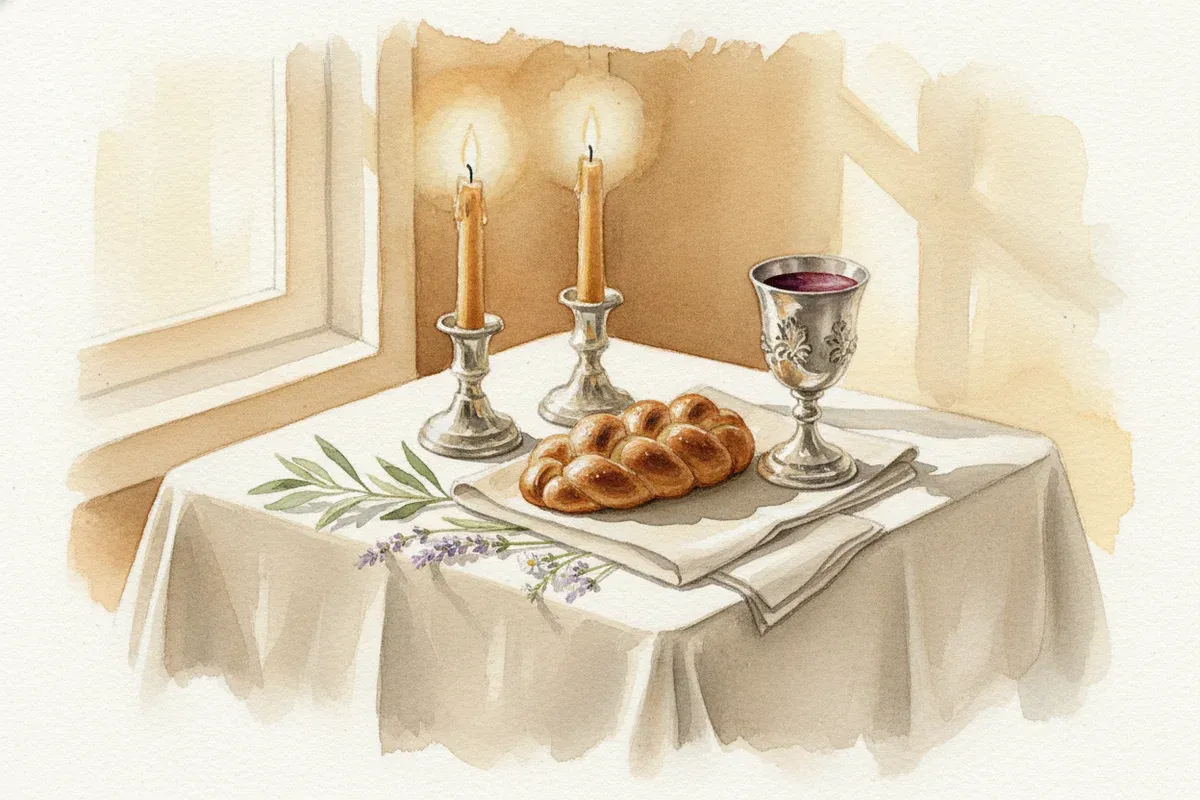
While the Sabbath is mentioned along with the annual biblical feasts—it is ultimately a weekly rhythm that helps children experience Scripture in family life. Every seven days, we join with our Jewish brothers and sister to light the candles, bless the bread and wine, and remember that the Lord is the One who sustains us.
Visit the Shabbat for Kids hub to begin a weekly Sabbath rhythm with your family, or read about creating a Sabbath rhythm for your family.
How to Use Messianic Jewish Resources in Your Family
Begin with the next feast on the calendar
You don’t need to start at the beginning of the year. Pick the feast that’s closest. Craft a unit study around it or download one we’ve created. When the next feast comes, do the same. Within a year you’ll have walked through the entire biblical calendar.
Anchor each feast in Scripture
Read the passages aloud. Have your children narrate. Memorize a key verse. The feasts come from the Word — teaching them without Scripture is teaching only the outside of the story.
Make it tangible
Light the candles. Bake the bread. Build the sukkah. Print the coloring page. Children remember what their hands have touched. Hands-on learning is the gift of the biblical calendar.
Repeat, year after year
The first time you teach a feast, you’ll feel like a beginner. The second year, your children will remember the song. The third year, they will help you set the table. The rhythm itself is the curriculum.
Free Biblical Feast Printables
Start with a free printable
Hand-illustrated coloring pages and resources, free for your family. No purchase required.
Related Resources
Looking for more? Visit our Homeschool page for our Charlotte Mason–inspired approach, or read our Journal for posts on family rhythm, the biblical calendar, and homeschooling children of faith.
Frequently Asked Questions
What are the Biblical Feasts?
The Biblical Feasts are the appointed times that God Himself commanded in Leviticus 23: Passover, Unleavened Bread, Firstfruits, Shavuot (Pentecost), Rosh Hashanah / Yom Teruah (Feast of Trumpets), Yom Kippur (Day of Atonement), and Sukkot (Tabernacles). Two later feasts — Hanukkah and Purim — were added during the historical periods recorded in Scripture and are still celebrated by Jewish and Messianic families today.
Are Biblical Feasts the same as Jewish holidays?
Yes! The seven feasts in Leviticus 23 are commanded in the Hebrew Bible and are kept by Jewish families around the world. Purim and Hanukkah are also kept as Jewish holidays. The phrase "Biblical Feasts" emphasizes that these days come directly from the Bible — they are God's appointed times that He gave to the Jewish people to sanctify in time.
What are the Feasts of the Lord in Leviticus 23?
Leviticus 23 lists Shabbat (the weekly Sabbath), Passover, the Feast of Unleavened Bread, Firstfruits, Shavuot (the Feast of Weeks), Yom Teruah (the Feast of Trumpets), Yom Kippur (the Day of Atonement), and Sukkot (the Feast of Tabernacles). God calls them "My appointed times" (moedim in Hebrew).
How can I teach the Biblical Feasts to young children?
Start with one feast at a time, in the season it occurs. Tell the story in a children's Bible. Make a craft. Bake the food. Light the candles. Read the Scripture passages aloud. Children learn the calendar through repetition — the same simple rhythm, year after year, builds deep roots.
Do Messianic families celebrate Jewish holidays?
Yes. Messianic families keep the biblical feasts and often traditional Jewish holidays — Shabbat, Passover, Shavuot, Yom Teruah, Yom Kippur, Sukkot, Hanukkah, Purim — and we celebrate them as Yeshua (Jesus) Himself did, while seeing how each feast points to Him as the Messiah.
Which Biblical Feast should I teach first?
After the Sabbath, Passover is the most natural starting place. It is the first feast on the biblical calendar, the most family-centered (the seder is built around children's questions), and the foundational story of redemption. After Passover, the rest of the calendar opens up naturally.
How can Biblical Feasts fit into our homeschool rhythm?
The biblical calendar is a complete teaching framework. Each feast carries its own Scripture passages, history, food, music, and crafts. You can build a year of homeschool unit studies around the feasts — connecting Bible, history, geography, art, and nature study to the rhythm of God's appointed times and the Jewish people.
Free Family Guide
Begin with a weekly Sabbath rhythm
Before the annual feasts, there is the weekly one. Subscribe and we'll send you our free Sabbath Family Starter Guide — candles, blessings, a simple Friday-evening rhythm, and Scripture to root your family in the seventh day.
- ✦Begin a weekly Sabbath rhythm this Friday
- ✦Hand-illustrated, hand-crafted, and free
- ✦Designed for families with young children
Send me the free Sabbath Family Starter Guide
You'll also receive occasional notes from our family on living the biblical calendar with little ones. We never sell or share your information. Unsubscribe anytime.