The Feast of Firstfruits and the Resurrection
 By Jon5 min read
Yom HaBikkurim—the Feast of Firstfruits—is the biblical feast that points directly to the resurrection of Yeshua, and most families have never heard of it.
There is a feast hiding inside Passover that most people walk right past.
It doesn't have its own seder. There's no special meal, no elaborate ritual, no children's craft that everyone recognizes. It falls during the week of Unleavened Bread, easy to overlook in the shadow of the larger celebration. But if you slow down long enough to find it, this quiet feast carries one of the most staggering promises in all of Scripture.
It's called Yom HaBikkurim (the Feast of Firstfruits)—the day when Israel brought the very first sheaf of the spring barley harvest and waved it before the Lord as an offering. And it happens to be the exact day Yeshua (Jesus) rose from the dead.
A Sheaf Waved Before the Lord
Leviticus 23:10–11 gives the instruction: "When you enter the land I am going to give you and you reap its harvest, bring to the priest a sheaf of the first grain you harvest. He shall wave the sheaf before the Lord so it will be accepted on your behalf."
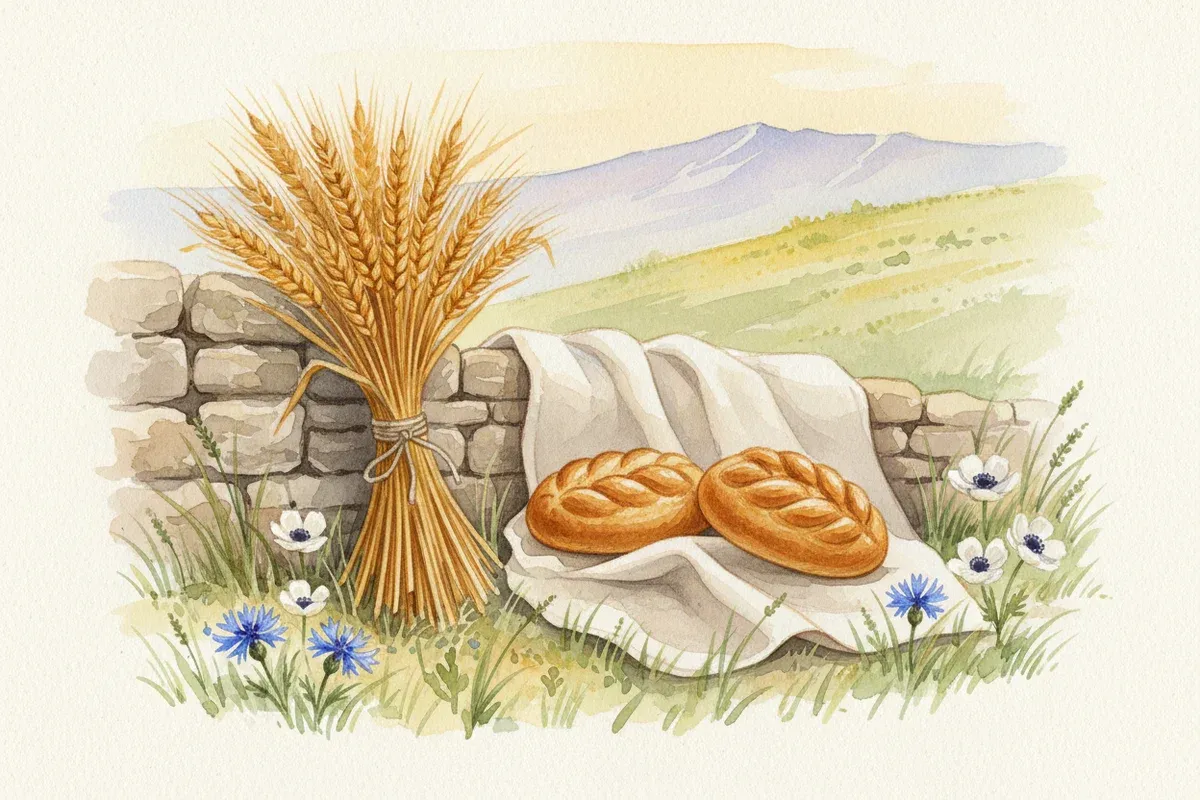
The timing is specific. The sheaf was to be waved on the day after the Sabbath during the Feast of Unleavened Bread (Matzot)—the first day of the week. A priest would take a single bundle of freshly cut barley, still green, still new, and lift it up before God in the Temple.
It was a declaration of trust. The harvest had barely begun. The fields were still full of grain waiting to ripen. But Israel didn't wait to see how the whole harvest turned out before giving thanks. They brought the first of it—the earliest, the freshest, the most vulnerable portion—and offered it to God as a promise that the rest would follow.
This is the rhythm of firstfruits: the part represents the whole. The first sheaf guarantees the full harvest.
The Day Yeshua Rose
Now consider the timing.
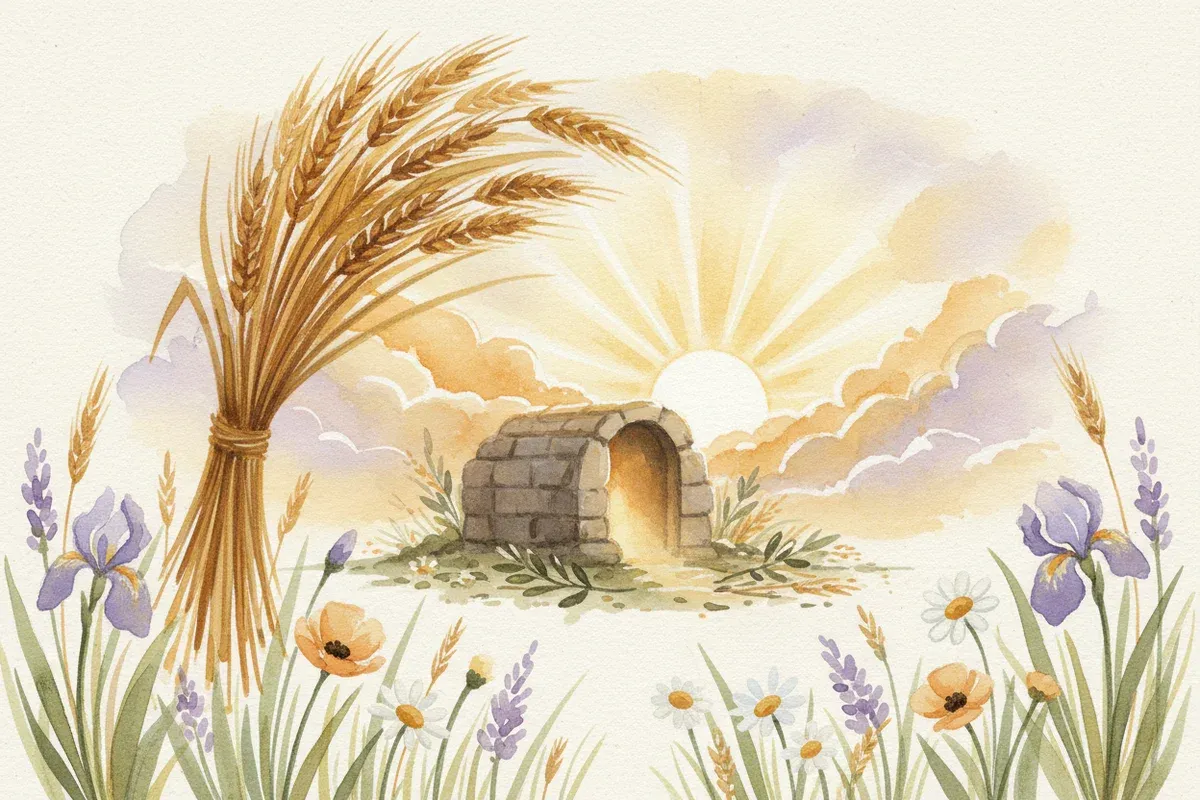
Yeshua was crucified on Passover—the day the lambs were slain. He rested in the tomb during the Feast of Unleavened Bread. And He rose on the first day of the week—the very morning the priest was waving the firstfruits sheaf in the Temple.
Paul makes this connection explicit in 1 Corinthians 15:20: "But Messiah has indeed been raised from the dead, the firstfruits of those who have fallen asleep."
That word—firstfruits—is not a metaphor Paul invented. It's a feast. It's Leviticus 23. It's a priest standing in the Temple lifting a sheaf of barley toward heaven on the same morning that Yeshua walked out of a borrowed tomb.
The resurrection didn't happen on a random Sunday. It happened on Yom HaBikkurim. The day God designed—centuries before Bethlehem, before Calvary, before the stone was rolled away—to be about firstfruits.
The First Sheaf Guarantees the Harvest
This is where the feast becomes deeply personal.
If Yeshua is the firstfruits of the resurrection, then His rising is not an isolated event. It's a promise. The same way that first sheaf of barley guaranteed the rest of the harvest was coming, the resurrection of Yeshua guarantees that those who belong to Him will also be raised.
Paul continues in 1 Corinthians 15:22–23: "For as in Adam all die, so in Messiah all will be made alive. But each in turn: Messiah, the firstfruits; then, when He comes, those who belong to Him."
There is an order. There is a sequence. Yeshua first—then us. The firstfruits, then the full harvest. His resurrection is not the end of the story. It's the beginning of it. The first sheaf lifted before the Father, accepted on our behalf, declaring that the rest of the harvest is sure.
When we grieve, when we face loss, when the world feels fragile and uncertain—this is the ground we stand on. Not a vague hope that things will work out, but a feast-day promise written into the biblical calendar itself: the firstfruits have been raised. The harvest will come.
Bringing Firstfruits to Your Family Table
If you already celebrate Passover and the Feast of Unleavened Bread with your family, Yom HaBikkurim is a natural extension—a moment within the week to pause and focus on resurrection.
Here are a few simple ways to mark it:
Read the story together. On the morning of Firstfruits (the Sunday during Unleavened Bread), read the resurrection account from the Gospels alongside Leviticus 23:9–14. Let your children hear both texts and make the connection themselves. You'll be surprised how quickly they see it.
Wave your own firstfruits. If you have a garden—even a small one—go outside and cut the first green thing growing. A sprig of herbs, a shoot of barley grass, a handful of wildflowers. Let your children hold it up and thank God for the harvest that's coming. It's theology they can hold in their hands.
Talk about the promise. For older children, this is a rich opportunity to discuss what Paul means by "firstfruits of those who have fallen asleep." What does it mean that Yeshua's resurrection guarantees ours? What does that change about how we live today?
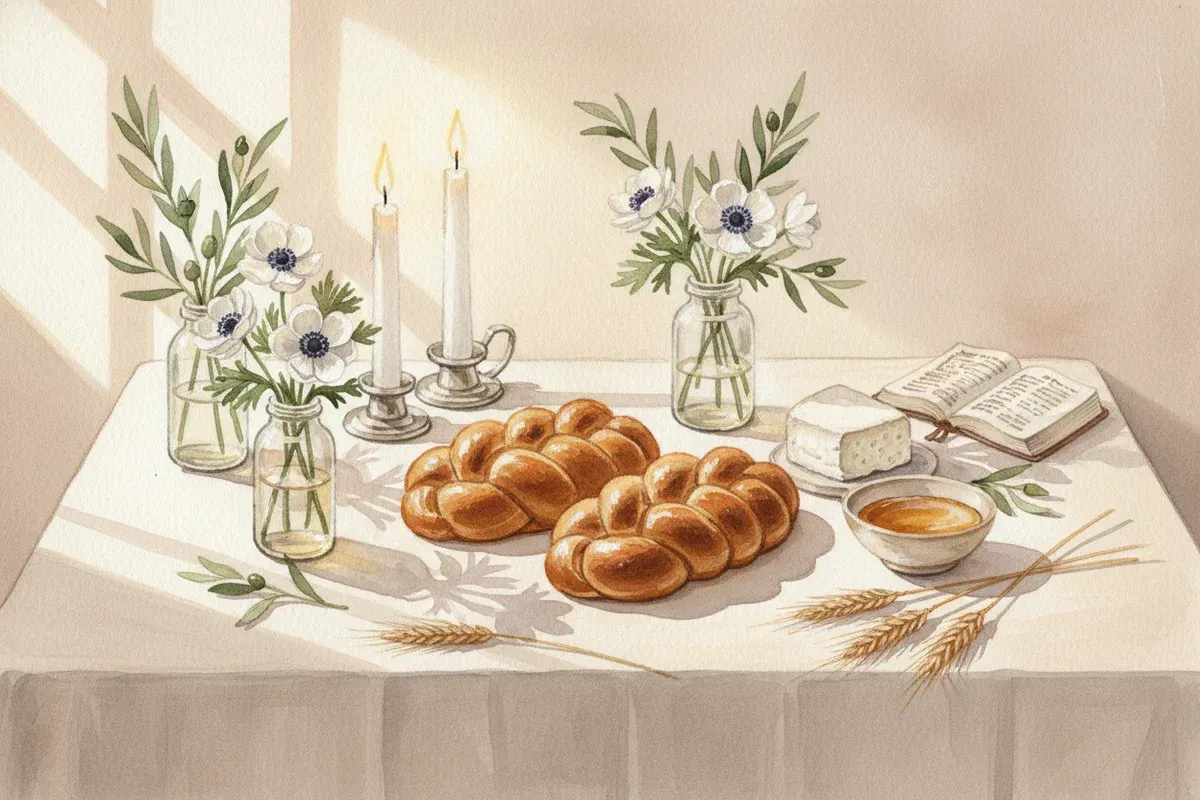
Bake something with grain. Firstfruits is a grain offering—so bake bread together. Simple challah (braided bread), flatbread, or even muffins. Let the act of working with flour and yeast become a sensory reminder of the harvest God provides.
If your family is new to the biblical feasts, our guide to celebrating Passover with little ones is a good starting point—Firstfruits naturally flows from there. And if you've been telling the Passover story for years, this feast adds a layer your children may be ready for: the part of the story where death does not get the final word.
The Quiet Feast That Changes Everything
Yom HaBikkurim doesn't have the drama of the seder night or the gravity of Yom Kippur (the Day of Atonement). It's easy to miss. A single sheaf, waved in a Temple that no longer stands, on a morning most of the world doesn't notice.
But that quiet morning is the hinge of history. The firstfruits have been raised. The tomb is empty. And the harvest—our harvest—is guaranteed.
For more on celebrating this season with your children, browse our full Passover Resources for Kids—printables, crafts, copywork, and Scripture activities for the whole feast week.
He is risen. He is the firstfruits. And because He lives, we will live also.